When should I control ticks?
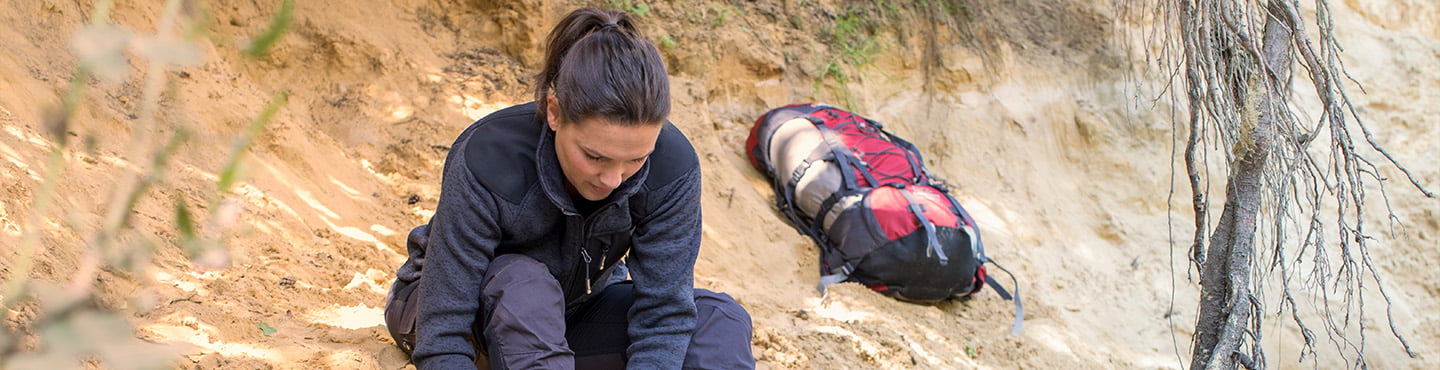
You are more prone to ticks during several activities than you might think. At that moment, you might not be focused on controlling ticks. You are at risk when you are walking, fishing, gardening or geocaching. However, this is not known to many people. As a result, no preventive measures are often taken with regard to tick control, while they actually run a risk. Certain professions also carry an increased risk of tick bites, such as gardeners and foresters. People in these professions are regularly exposed to environments with many ticks. Ticks are often found in parks, forests, bushes, and other natural areas. Therefore, it is important to protect yourself against ticks in these areas by using tick-repellent products as a precaution. Therefore, cover your body well with tick-repellent clothing. It is also wise to apply insect repellent containing DEET to the uncovered parts of your body. It is always recommended to regularly check yourself for tick bites if you have been in a natural area. It is the case that the longer the tick stays on, the more severe the consequences are. The diseases carried by ticks nestle in your body.
You have been bitten…
Despite all these precautions concerning tick control, you have still been bitten by a tick. How do you apply tick control then? First of all, it is important to know when you were bitten. If you notice a red spot forming a few weeks after the bite, you should see a doctor. If the tick control has gone well, but you are in doubt, it is still wise to visit your doctor. A red circle can eventually result in Lyme disease. This can be well treated with medication if you see a doctor in time. That is why it is always advised to consult a doctor if in doubt.
The tick can be removed with a special tweezer. Carefully remove the tick from your skin. Do not crush the tick. Once you have removed the tick, it is important to disinfect your skin thoroughly. Do not do this beforehand as it could make tick control ineffective and increase the chances of disease transmission. Pay attention when removing the tick. The tick must be removed completely, otherwise pathogens may still be transmitted. Check the area carefully after removal.
'/%3e%3c/svg%3e)

'%3e%3cpath%20d='M41,17.5H30V11a5.006,5.006,0,0,0-5-5H7a5.006,5.006,0,0,0-5,5V23a5.006,5.006,0,0,0,5,5v2.09A2,2,0,0,0,10.417,31.5a.892.892,0,0,0,.1-.114L13.005,28H18v6.5a5.006,5.006,0,0,0,5,5H34.086l3.5,3.5A2,2,0,0,0,41,41.586V39.5a5.006,5.006,0,0,0,5-5v-12a5.006,5.006,0,0,0-5-5ZM12.5,26a1,1,0,0,0-.8.407L9,30.067V27a1,1,0,0,0-1-1H7a3,3,0,0,1-3-3V11A3,3,0,0,1,7,8H25a3,3,0,0,1,3,3v6.5H23a4.957,4.957,0,0,0-2.951.985l-3.139-6.9a1,1,0,0,0-1.82,0l-5,11a1,1,0,0,0,.5,1.324A.982.982,0,0,0,11,24a1,1,0,0,0,.91-.586L13.462,20H18.54l.071.155A4.939,4.939,0,0,0,18,22.5V26Zm5.131-8h-3.26L16,14.416ZM44,34.5a3,3,0,0,1-3,3H40a1,1,0,0,0-1,1v3.086l-3.793-3.793A1,1,0,0,0,34.5,37.5H23a3,3,0,0,1-3-3v-12a3,3,0,0,1,3-3H41a3,3,0,0,1,3,3Z'%20fill='%23fff'/%3e%3cpath%20d='M37,25H33V23a1,1,0,0,0-2,0v2H27a1,1,0,0,0,0,2h7.42a6.96,6.96,0,0,1-2.426,4.348A6.974,6.974,0,0,1,30.171,29a1,1,0,1,0-1.806.858A8.863,8.863,0,0,0,30.24,32.43a7.128,7.128,0,0,1-2.811.57.97.97,0,0,0-.965,1A1.031,1.031,0,0,0,27.5,35a8.932,8.932,0,0,0,4.52-1.23A9.127,9.127,0,0,0,36.571,35a.97.97,0,0,0,.965-1A1.031,1.031,0,0,0,36.5,33a6.949,6.949,0,0,1-2.72-.566A8.97,8.97,0,0,0,36.441,27H37a1,1,0,0,0,0-2Z'%20fill='%23fff'/%3e%3c/g%3e%3c/svg%3e)


'%20fill='none'%20stroke='%23fff'%20stroke-linecap='round'%20stroke-linejoin='round'%20stroke-width='1.5'/%3e%3c/svg%3e)
'/%3e%3c/svg%3e)